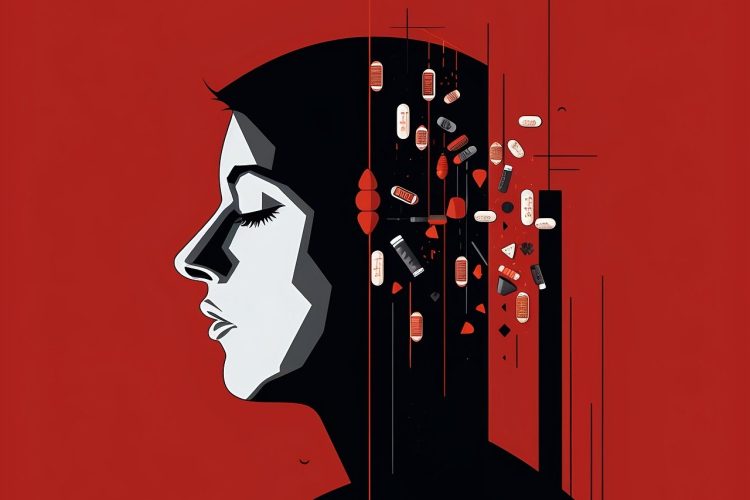
The following highlights the facts. More information can be obtained through the sites listed below as well as many other informational sites regarding Substance Use Disorder (SUD). Make sure you have all the up-to-date information.
What is Substance Use Disorder (SUD)
A medical disorder that affects both the brain and behavior
It can lead to a person’s inability to control the use of illegal and legal drugs, alcohol and medication
Symptoms can range from mild to severe
It can progress into addiction, where the need to use becomes compulsive despite harmful consequences
Risk factors contributing to Substance Use Disorder
Biological and genetic influences
Environmental factors, such as stress or trauma
Mental Health conditions
Early exposure
Social and cultural pressures
Medical factors
Possible Treatments for Substance Use Disorder
Cognitive behavioral therapy (CBT)
Dialectical behavioral therapy (DBT)
Assertive Community Treatment (ACT)
Inpatient or residential programs
Outpatient treatment programs
Medication-Assisted Treatment
Support groups and peer recovery programs
Integrated treatment for co-occurring disorders
It is essential that a healthcare provider tailors a treatment plan to the individual.
A treatment plan needs to take into consideration age, misused sustance(s) and any other disorders.
Children and adolescents should be treated differently than adults.
Sources used:
National Institute of Health, Substance Use Disorders, Volkow ND, Blanco C. Substance use disorders: a comprehensive update of classification, epidemiology, neurobiology, clinical aspects, treatment and prevention. World Psychiatry. 2023 Jun;22(2):203-229. doi: 10.1002/wps.21073. PMID: 37159360; PMCID: PMC10168177, accessed October 6, 2026.
Medical Disclaimer: We share informational resources that are intended to help you with your self-care plan. We are not professionals. We write based on personal experience and personal research.
Nothing on this Website is intended to be taken as medical advice. The information provided on the Website is intended to encourage, not replace, direct patient-health professional relationships. Always consult with your doctor before altering your medications. Adding nutritional supplements may alter the effect of medication. Any medication changes should be done only after proper evaluation and under medical supervision.
General Disclaimer: This site contains links to other internet sites. We are not endorsing any products or services in these sites nor are we endorsing or did we approve information within these sites. Each site contains its own “Privacy Policy”,