Symptoms of a Drug Prescription


Learn More ♥ Live Healthier

Managing Your Pain

by Nikki and Anne Heart ♥ October 8, 2026

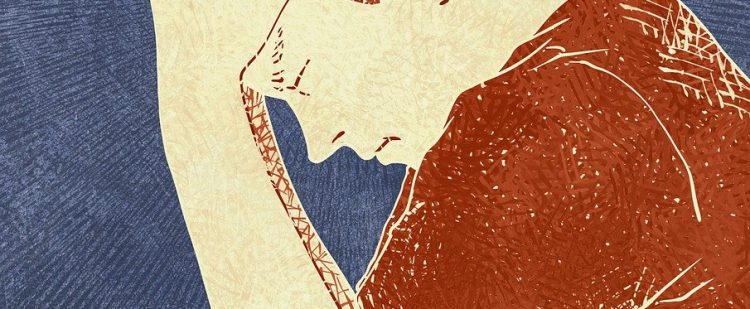
pain, power, struggle-4748854.jpg

*Although we wrote this post together, we have chosen to present the following through Mom’s eyes.

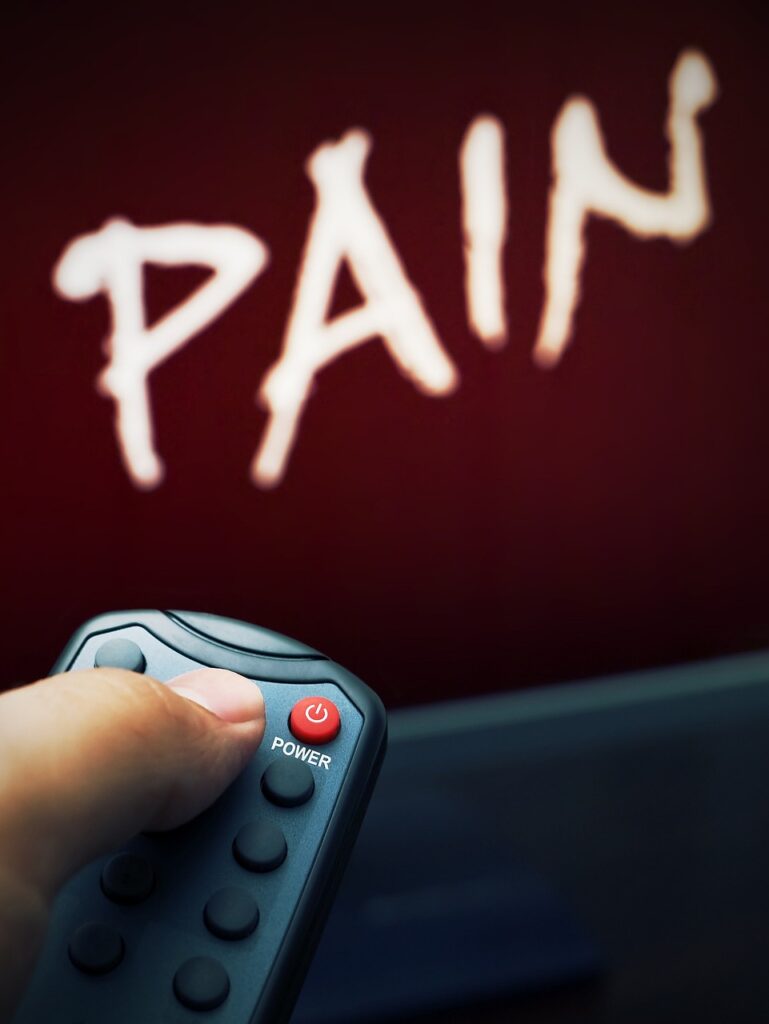
How often do you reach for a quick fix when pain strikes?

Most of us know how easy it is to take a pill for relief, especially when a pounding headache refuses to go away and we want the pain gone fast.

I’ll admit it, I’m often tempted to reach for that quick solution. After all, isn’t that what pain medication is designed for?

But have we ever stopped to ask ourselves an important question: Do we really know where the pain is coming from, or what our body is trying to tell us?

Before we can answer that question, let’s start by exploring what pain actually is.

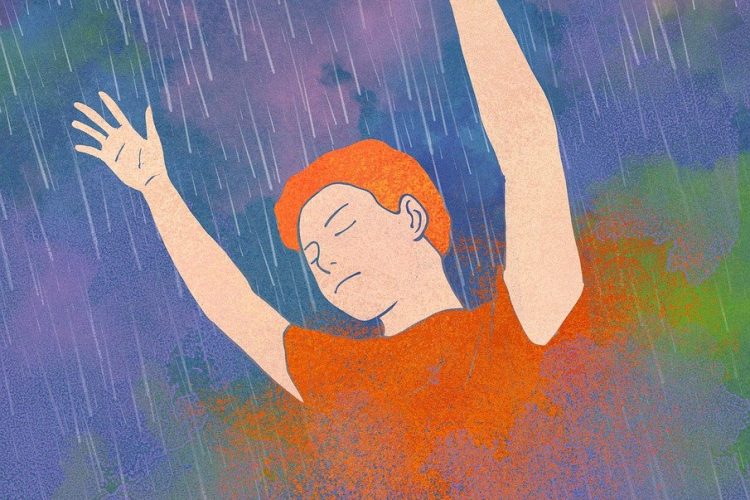
creativity, imagination, fantasy-4913146.jpg
What is pain?

I first began thinking more deeply about pain after reading The War on Chronic Pain by Jessica Migala in the June 2024 edition of AARP Bulletin. The article sparked my curiosity and led me to explore a question I had never fully considered: What exactly is pain?

As I learned more, I discovered that pain is generally divided into two main categories:

  1. Acute Pain is the body’s immediate response to injury or illness. It is the pain you feel when you cut yourself, break a bone, experience inflammation, or undergo a medical procedure. Acute pain can range from mild discomfort to severe intensity, but it typically resolves as the underlying cause heals.

  2. Chronic Pain is pain that persists for months or even years. Unlike acute pain, the source is not always clear. It may result from a long-term illness, injury, or dysfunction within the nervous system. In some cases, chronic pain can occur even when there is no obvious cause.

Most of us will experience some form of pain during our lives, whether acute or chronic.

When we seek help from a healthcare provider, one of the most common treatment options offered is a prescription medication. I don’t dismiss the value of these medications. There are certainly situations where they are necessary and can significantly improve quality of life.

However, I began to wonder whether medication is always the best or only solution for every individual and every type of pain.

No two people are exactly alike. We each experience pain differently, and we can respond to pain medications differently as well. What works well for one person may not be as effective for another, which is why understanding the nature and source of pain is such an important part of finding the right approach to managing it.

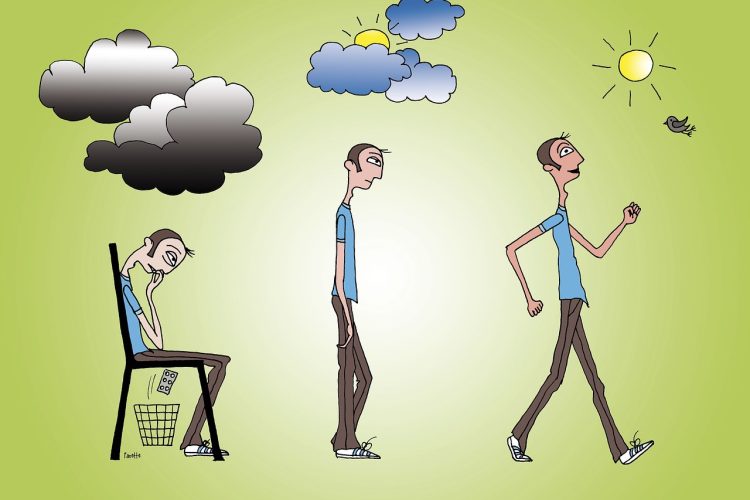
creativity, imagination, fantasy-4913151.jpg
How Do Pain and Pain Medication Affect Us?

Pain is a highly personal experience, and so is the way we respond to pain medication.

For me, I think I have a high tolerance for pain, or perhaps I’ve simply convinced myself that I do. Either way, I’ve never been someone who likes taking medication. Many medications tend to make me feel nauseous, groggy, and disconnected, almost like a zombie.

When I recently had my hip replaced, I chose to manage my recovery pain with acetaminophen alone, and fortunately, that was enough for me. Although my surgeon prescribed oxycodone, even after I explained that I didn’t want it, I never felt the need to take it.

My husband’s experience was very different. After his knee replacement surgery, he relied on oxycodone to manage his pain. In his case, I agreed that the medication was necessary and beneficial. However, because of the potential risks associated with opioid medications, I monitored his use carefully.

These two experiences reinforced an important lesson: pain affects each of us differently.

What works well for one person may not work for another. Factors such as the type and severity of pain, overall health, medical history, medication sensitivity, and personal preferences can all influence the best course of treatment.

That’s why pain management should never be a one-size-fits-all approach. Effective treatment must be individualized, taking into account the unique needs and circumstances of each person.

Next, let’s explore the different types of pain relievers available today and how they are commonly used to manage pain.
What Are Pain Relievers?

According to MedlinePlus, pain relievers are medications used to reduce or relieve headaches, sore muscles, arthritis, and other types of pain.

The effectiveness of a pain reliever often depends on the type and cause of the pain being treated. It is also important to remember that individuals may respond differently to the same medication. What works well for one person may be less effective for another.

Pain relievers are available as either over-the-counter (OTC) medications or prescription medications.

Over-the-Counter (OTC) Pain Relievers

The two main types of OTC pain relievers are:

  1. Acetaminophen
  2. Nonsteroidal Anti-Inflammatory Drugs (NSAIDs)
Prescription Pain Relievers

Prescription medications used to treat pain may include:

  1. Stronger Prescription NSAIDs
  2. Topical Medications (creams, gels, patches, and ointments)
  3. Oral Corticosteroids
  4. Anticonvulsants
  5. Antidepressants
  6. Muscle Relaxants
  7. Opioids

Different medications work in different ways and may be prescribed based on the type of pain, its severity, and an individual’s overall health and medical history.

healing, treatment, to tend to-1547909.jpg
Taking a closer look at pain and treatment options

Over the years, I have learned how important it is to understand where pain is coming from before deciding how to treat it.

We all recognize that a broken bone or physical injury can cause pain. However, it is equally important to understand that emotional and mental health challenges can sometimes contribute to physical pain as well.

Another important factor is that the brain learns from past experiences. If you have experienced a painful injury in the past, your brain may respond more strongly to a new injury, even if it is less severe. In some cases, the brain may interpret the new pain similarly to the old pain because of those previous experiences.

I believe this is an important concept to recognize. Just because your brain is signaling pain, it does not always mean you need to reach for a pain reliever immediately. Taking a moment to pause and ask yourself, “Do I really need a pain reliever right now?” can be helpful.

Depending on the situation, a non-drug pain management approach may be worth considering. Options such as rest, gentle movement, relaxation techniques, mindfulness practices, heat or cold therapy, or other supportive strategies may help manage pain without medication.

Understanding the source of your pain and exploring all available treatment options can help you make informed decisions that best support your overall well-being.
 
Type of Non-Drug Pain Management

Before turning to medication, consider exploring non-drug approaches that may help manage your pain. Many people find that combining different strategies provides additional relief and supports their overall well-being.

  1. Mindfulness
  2. Meditation
  3. Physical Therapy
  4. Relaxation Techniques
  5. Massage Therapy
  6. Electrical Stimulation Therapy
  7. Acupuncture
  8. Psychotherapy (Talk Therapy)
  9. Surgery (when medically appropriate)
  10. Self-Care Practices

It is important to remember that no single treatment works for everyone. The effectiveness of any pain management approach can vary depending on the cause of the pain, an individual’s health, and other personal factors.

It is also important to understand that many pain treatments, whether drug-based or non-drug-based, are designed to help manage symptoms rather than cure the underlying cause of pain. For example, pain medications may provide relief, but they do not necessarily address the condition causing the pain.

Working with your healthcare provider can help you identify the most appropriate treatment options and develop a pain management plan that meets your individual needs.

Learn More

♥

Live Healthier

Drug Fact Sheets

Read more →

Weekly Quote
“We shall draw from the heart of suffering itself the means of inspiration and survival.”

– Winston Churchill. –


Trending Posts
stress, anxiety
Stress and Anxiety Awareness
rocks, steps, mountain range-1837129.jpg
Learning Before Prescription Drugs
pill, capsule, medicine-1884775.jpg
Drug Prescription Symptoms

Weekly Posts Every Thursday


DON’T FORGET TO VISIT OUR NEW TIP PAGES EVERY TUESDAY

Note: All information in “Nikki’s Story and Mom’s Story” are based on detail journals covering seven years of Nikki’s life on prescription drugs.

Medical Disclaimer: We share informational resources that are intended to help you with your self-care plan. We are not professionals. We write based on personal experience and personal research.

Nothing on this Website is intended to be taken as medical advice. The information provided on the Website is intended to encourage, not replace, direct patient-health professional relationships. Always consult with your doctor before altering your medications. Adding nutritional supplements may alter the effect of medication. Any medication changes should be done only after proper evaluation and under medical supervision.

General Disclaimer: This site contains links to other internet sites. We are not endorsing any products or services in these sites nor are we endorsing or did we approve information within these sites. Each site contains its own “Privacy Policy”,

🤞 Want to level up your health this year?

Sign up for FREE weekly awareness posts. Never be without information again.

We don’t spam! Read more in our privacy policy