Learn More ♥ Live Healthier
Journey through Another Drug Plan
by Nikki and Anne Heart ♥ September 17. 2026
*Although we wrote this post together, we have chosen to present the following through Nikki’s eyes.
Nikki's Story: Journey through Another Drug Plan
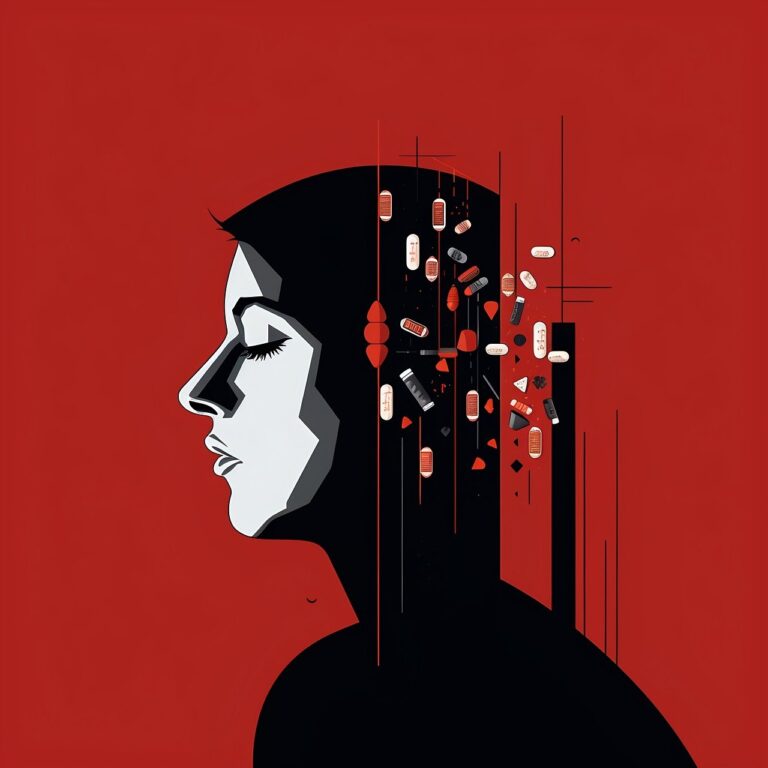
From the very beginning, my treatment for depression relied almost entirely on prescription drugs, with little counselling and only minimal blood testing. Overall, my healthcare plan followed a standard protocol of medications which included numerous SSRIs, antidepressants, anticonvulsants, atypical antipsychotics, SNRIs, sedatives, and controlled substances.
With this type of treatment plan, I rarely experienced any positive results. Instead, my mental and physical health continued to deteriorate.
After five years of an unsuccessful prescription drug regimen, I switched to yet another psychiatrist in hopes of finding relief. After five months and again following the same drug regiment, I saw no improvement. He suggested I test my thyroid function with a simple blood test.
The results showed my thyroid was within the normal range. However, he explained that some people fall within the normal range yet still experience symptoms of thyroid dysfunction. Based on my symptoms, he believed I likely had hypothyroidism and recommended I take Liothyronine SOD, a medication used to treat an underactive thyroid.
Desperate for anything that might ease the mental and physical pain I was living with, I followed his instructions. He prescribed 5 mg of Liothyronine SOD, to be cut in half and taken once a day. Shortly after starting the medication, I began experiencing heart palpitations.
As a result, I was taken off Liothyronine SOD within a short period of time.
Shortly after, I once again switched to another psychiatrist. With this new transition, my health declined even further.
In the aftermath of withdrawing from seven years of mental health prescription drugs, I was indeed diagnosed with thyroid disease. But it was not hypothyroidism, as I had been told. It was hyperthyroidism—Graves’ disease—the same condition my dad had been diagnosed with years earlier.

Recognizing the Gaps in My Treatment Plan
Looking back now, the carelessness of my drug treatment plan—and how serious the consequences could have been—infuriates me. Several critical issues were overlooked:
First: Missing Information About Lithium
I was never informed, until years later by an endocrinologist, that Lithium can mask true thyroid function. Lithium was one of the first medications prescribed to me and always considered my base medication.
Routine blood testing is essential to monitor Lithium levels and potential liver side effects. Yet blood tests were not ordered nearly as often as they should have been. In fact, my first mental healthcare provider, never order blood work.
Second: An Incomplete Medical History
My healthcare prescribers never fully reviewed my medical or family history.
Years before I was put on Liothyronine SOD, my dad had been diagnosed with Graves’ disease (hyperthyroidism) and had his thyroid ablated. Other blood relatives had also been diagnosed with hyperthyroidism long before my own symptoms appeared.
Shortly after withdrawing from prescription drugs, I was diagnosed with hyperthyroidism—a pattern that should have been recognized much earlier.
Third: Thyroid Disease Often Mimics Mental Illness
I learned years later that thyroid disease can mimic symptoms of mental illness. An endocrinologist explained that the medical community often defaults to a mental‑health drug treatment plan before even considering thyroid dysfunction.
This was a crucial piece of information that was never discussed with me during my years of psychiatric care.
What I Now Recognize as Essential
- The importance of a complete health history and adequate testing before beginning any prescription drug.
- The need to obtain a accurate diagnosis whether OCD, bipolar, etc. before starting a drug treatment program. Many of the drugs I was prescribed intensified my OCD and caused me to have symptoms of bipolar.
- The need to learn and rely on self‑help techniques.
- Awareness of hidden triggers, including chemical and food sensitivities.
.
Learn More
♥
Live Healthier
“It is not the strongest of the species that survive, nor the most intelligent, but the one most responsive to change.”
– Charles Darwin –
Weekly Posts Every Thursday
DON’T FORGET TO VISIT OUR NEW TIP PAGES EVERY TUESDAY
Note: All information in “Nikki’s Story and Mom’s Story” are based on detail journals covering seven years of Nikki’s life on prescription drugs.
Medical Disclaimer: We share informational resources that are intended to help you with your self-care plan. We are not professionals. We write based on personal experience and personal research.
Nothing on this Website is intended to be taken as medical advice. The information provided on the Website is intended to encourage, not replace, direct patient-health professional relationships. Always consult with your doctor before altering your medications. Adding nutritional supplements may alter the effect of medication. Any medication changes should be done only after proper evaluation and under medical supervision.
General Disclaimer: This site contains links to other internet sites. We are not endorsing any products or services in these sites nor are we endorsing or did we approve information within these sites. Each site contains its own “Privacy Policy”,