Symptoms of a Drug Prescription


Learn More Live Healthier

Starting a New Medication

by Nikki and Anne Heart ♥  July 30, 2026

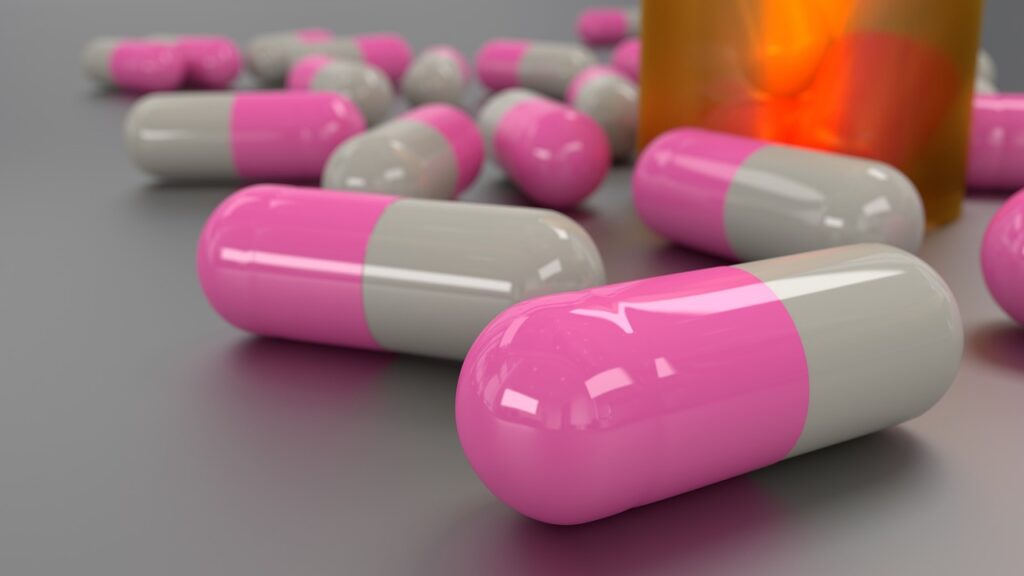
pill, medicine, capsule-3355177.jpg

*Although we wrote this post together, we have chosen to present the following through Mom’s eyes.

During the years my daughter was on a prescription drug treatment program, we discovered that the information she received when starting a new medication was often incomplete. What she was given tended to be very general—standard handouts or brief explanations that didn’t address her specific health history, potential interactions with the combination of medications, or the risks that applied uniquely to her.

Because of this gap, we made it a habit to ask detailed questions every time a new drug was prescribed. We asked about expected benefits, possible side effects, how long it would take to work, interactions with her current medications, and what possible side effects could happen.

We also learned to double-check the information we were given. Unfortunately, we found that details were sometimes missing—or even inaccurate. Cross‑checking with reliable sources, such as FDA medication guides, pharmacists, and reputable medical websites, became an essential part of keeping her safe and informed.

This experience taught us that being proactive isn’t just helpful—it’s necessary. Clear, individualized medication information isn’t always provided automatically, so advocating for it became a crucial part of her care.

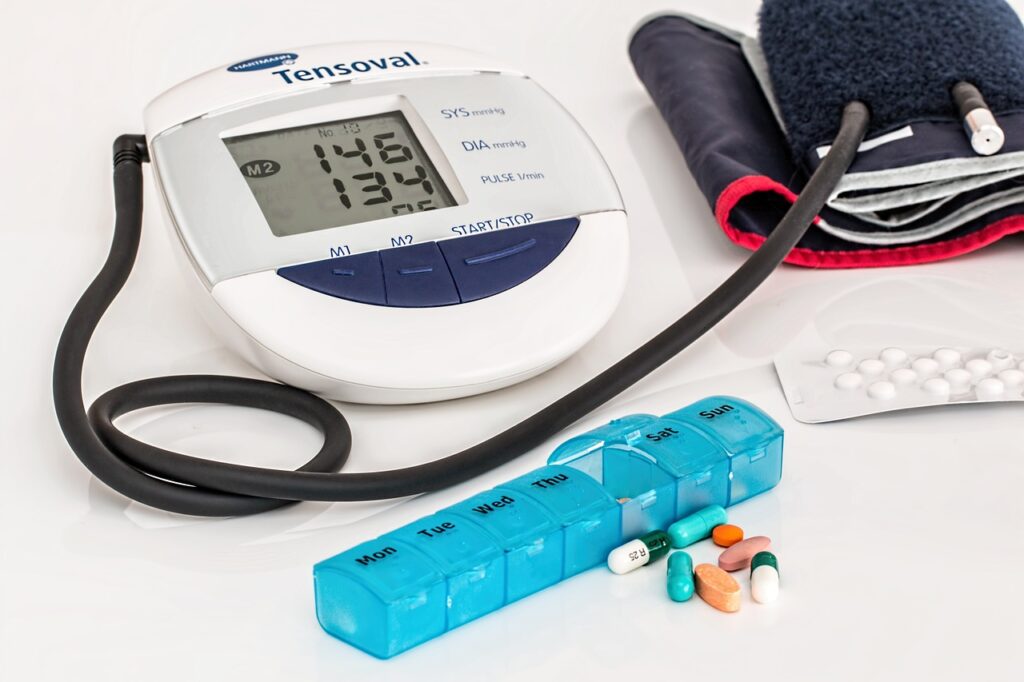
hypertension, high blood pressure, heart disease-867855.jpg

Things to know before starting a new medication

  • Ask about food and drink interactions. Some medications interact with specific foods—grapefruit, licorice, caffeine, and alcohol are common examples. These interactions can change how a drug is absorbed or metabolized.

  • Check for interactions with other prescription medications. Drug‑to‑drug interactions are one of the most common causes of unexpected side effects. Always confirm how the new medication fits with your current treatment plan.

  • Review interactions with vitamins and supplements. Even “natural” products can interfere with prescription drugs. St. John’s wort, magnesium, iron, and certain herbal blends are known to affect how medications work.

  • Ask what to do if you miss a dose. Instructions vary widely—some medications should be taken as soon as possible, while others should not be doubled or taken late.

  • Be informed about possible side effects. Ask about both common and serious side effects, including which symptoms require immediate medical attention.

  • Understand withdrawal or discontinuation effects. Some medications—especially those affecting the nervous system—can cause withdrawal symptoms if stopped abruptly. Knowing this ahead of time helps you plan safely.

  • Review the medication’s ingredients. If you have sensitivities to dyes, preservatives, fillers, or specific inactive ingredients, check the formulation.  

  • Ask whether the medication is FDA‑approved for your condition or being used off‑label. Off‑label prescribing is common and often appropriate, but you should understand why it’s being recommended.

  • Find out how long the medication has been on the market. Newer medications may have less long‑term safety data, while older ones often have well‑established risk profiles.

  • Be aware of any precautions. This includes warnings related to pregnancy, breastfeeding, liver or kidney conditions, heart issues, or other medical factors.

  • Ask whether the medication carries risks of addiction or mood‑related changes. Some drugs can increase depression, anxiety, suicidal thoughts, intrusive thoughts, or behavioral changes. Knowing the early signs helps you respond quickly.

  • Confirm whether the medication can be cut, crushed, or altered. Extended‑release, enteric‑coated, and certain capsule formulations must be taken exactly as designed to avoid dangerous dosing changes.
Get More Information

Learn More

Live Healthier

– Weekly Quote –

” Awareness of ignorance is the beginning of wisdom.”

-Socrates-

Related Posts
ai generated, tablets, pills-8297865.jpg
Mental Health Prescription Safety
mental health, mental, health-3337018.jpg
Mental Health and Health Care Stigma
mental health
Mental Health Matters

Weekly Posts Every Thursday


DON’T FORGET TO VISIT OUR NEW TIP PAGES EVERY TUESDAY

Note: all information in “Nikki’s Story” are based on detail journals covering seven years of Nikki’s life on prescription drugs.

Medical Disclaimer: We share informational resources that are intended to help you with your self-care plan. We are not professionals. We write based on personal experience and personal research.

Nothing on this Website is intended to be taken as medical advice. The information provided on the Website is intended to encourage, not replace, direct patient-health professional relationships. Always consult with your doctor before altering your medications. Adding nutritional supplements may alter the effect of medication. Any medication changes should be done only after proper evaluation and under medical supervision.

General Disclaimer: This site contains links to other internet sites. We are not endorsing any products or services in these sites nor are we endorsing or did we approve information within these sites. Each site contains its own “Privacy Policy”,

🤞 Want to level up your health this year?

Sign up for FREE weekly awareness posts. Never be without information again.

We don’t spam! Read more in our privacy policy