Increase Your Awareness with Basic Facts about Risperidone
Nikki and Anne Heart ♥ April 21, 2026
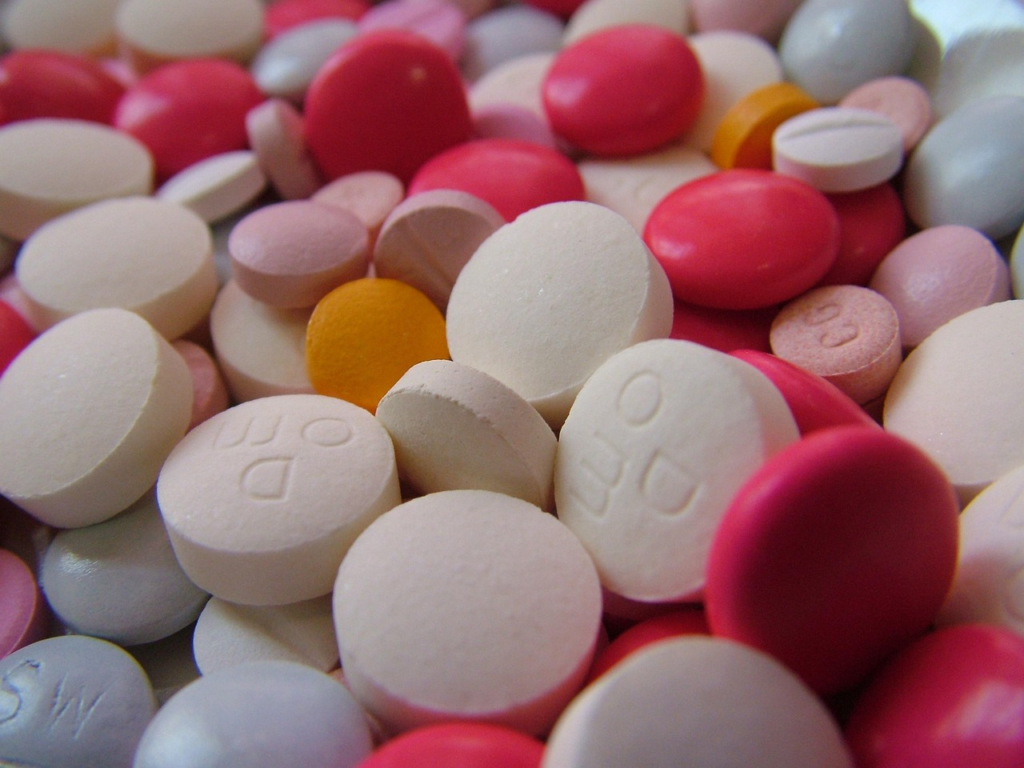
*Picture displayed is a general pill and should not be used as a pill identifier.
The following highlights the facts. More information can be obtained through the sites listed below as well as many other informational sites regarding prescription drugs. Medication facts can change. Make sure you have all up-to-date information.
Quick facts YOU Need to Know
Risperidone brand names:
Risperdal®
Risperdal® M-TAB®
Risperidone is in a class of medications calledatypical antipsychotics.
Risperidone is FDA-approved indications for oral risperidone (tablets, oral solution, and meltable tablets) include:
Schizophrenia (adults and children 13 and older)
Bipolar I acute manic or mixed episodes as monotherapy (adults and children 10 and older)
Bipolar I acute manic or mixed episodes adjunctive with lithium or valproate (adults)
Autism-associated irritability (children aged 5 and older)
Risperidone the long-acting risperidone injection has received FDA approval as a treatment for:
schizophrenia
maintenance of bipolar disorder (as monotherapy or adjunctive to valproate or lithium) in adults.
Risperidone Off-Label Uses:
to treat various psychotic symptoms when they are present
to treat borderline personality disorder, delusional disorder, delirium, depression, various brain injuries, pedophilia, posttraumatic stress injury, bipolar disorder, conduct disorder, Lesch-Nyhan syndrome, Tourette syndrome, trichotillomania, speech disorders (eg, stuttering), movement disorders, and developmental disorders.
In addition to psychotic symptoms, risperidone is also prescribed to treat aggression and agitation in patients with dementia, to augment antidepressant therapy for patients with non-psychotic unipolar depression, and for social impairment, stereotypical behaviors, cognitive problems, and hyperactivity in patients with autism
Do not try to push the orally disintegrating tablet through the foil. Instead, use dry hands to peel back the foil packaging. Immediately take out the tablet and place it on your tongue. The tablet will quickly dissolve and can be swallowed with or without liquid. Do not chew or crush the tablet.
Possible side effects of Risperidone:
nausea
heartburn
stomach pain
vomiting
diarrhea
constipation
dry mouth
increased saliva
increased appetite
weight gain
anxiety
agitation
restlessness
breast enlargement or discharge
late or missed menstrual periods
decreased sexual ability
dizziness, feeling unsteady, or having trouble keeping your balance
Some side effects can be serious. If you experience any of the following symptoms, call your healthcare provider immediately:
fever
stiff muscles
sweating
confusion
fast, pounding, or irregular heartbeat
problems with coordination or increased falls
unusual movements of your face, tongue, or body that you cannot control
tightening of the neck muscles or throat tightness
difficulty swallowing
seizures
rash
itching
hives
swelling of the face, throat, lips, and eyes
difficulty swallowing or breathing
painful erection of the penis that lasts for hours
fever, cough, chills and/or other signs of infection
Sources used:
National Library of Medicine, Risperidone, McNeil SE, Gibbons JR, Cogburn M. Risperidone. [Updated 2024 Nov 10]. In: StatPearls [Internet]. Treasure Island (FL): StatPearls Publishing; 2025 Jan-. Available from: https://www.ncbi.nlm.nih.gov/books/NBK459313/, accessed March 4, 2026
MedlinePlus, National Library of Medicine, Risperidone, accessed March 4, 2026.
IMPORTANT WARNING:
Older adults with dementia (loss of memory and brain function) may have an increased risk of death if treated with antipsychotic medications such as risperidone. Older adults with dementia may also have a greater chance of having a stroke or ministroke during treatment with antipsychotics.
Risperidone is not approved by the Food and Drug Administration (FDA) for the treatment of behavior problems in older adults with dementia. Talk to the doctor who prescribed this medication if you, a family member, or someone you care for has dementia and is taking risperidone.
Medical Disclaimer: We share informational resources that are intended to help you with your self-care plan. We are not professionals. We write based on personal experience and personal research.
Nothing on this Website is intended to be taken as medical advice. The information provided on the Website is intended to encourage, not replace, direct patient-health professional relationships. Always consult with your doctor before altering your medications. Adding nutritional supplements may alter the effect of medication. Any medication changes should be done only after proper evaluation and under medical supervision.
General Disclaimer: This site contains links to other internet sites. We are not endorsing any products or services in these sites nor are we endorsing or did we approve information within these sites. Each site contains its own “Privacy Policy”,