




Symptoms of a Drug Prescription


Learn More Live Healthier


JOURNEY THROUGH VALIUM


by Nikki and Anne Heart ♥  April 9, 2026


*Although we wrote this post together, we have chosen to present the following through Nikki’s eyes.

Nikki's Story: Journey through Valium

By the time Valium was prescribed to me, I was already prescribed two other benzodiazepines—Xanax from my former prescriber and Klonopin from my current one. Both had caused serious negative effects in the past, including breathing problems.

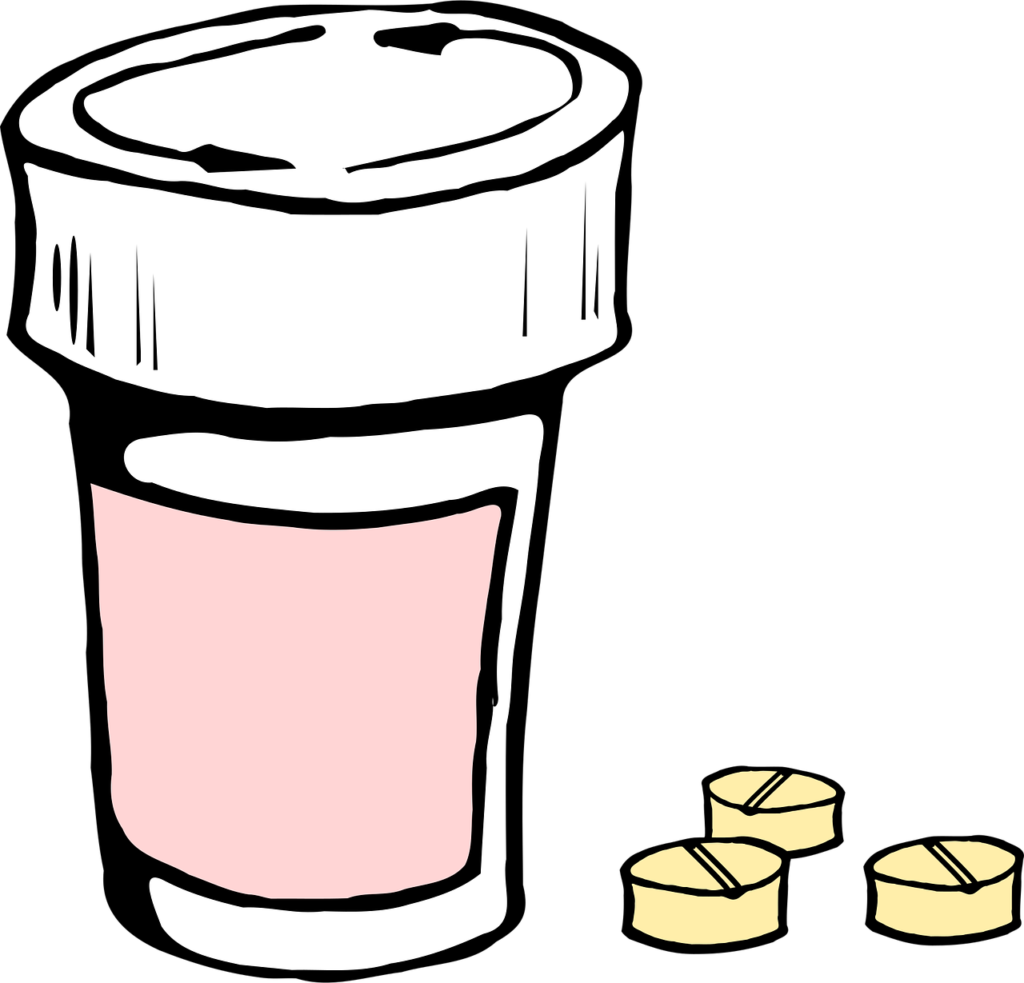
When Valium—a controlled substance—was added to my treatment plan, my healthcare provider was fully aware that I was an alcoholic and had asthma. Even with that knowledge, he prescribed Valium and instructed me to cut an eighth of the pill to take as I felt needed.

I’ll be honest: it made me feel good. Too good. I felt high as a kite, and deep down I knew that wasn’t a good sign. Every time I floated up, I came crashing down into an extreme low.

Against my provider’s advice, I made the conscious decision not to continue taking Valium. I told him directly that I wasn’t comfortable with it.

As my mental and physical health continued to decline, he began suggesting I see someone else. In fact, he even rescheduled me with another practitioner in his office without officially informing me.

Soon after, I made the decision to seek help elsewhere.

opposites, thumb, positive-3808487.jpg

Some people can take Valium or other benzodiazepines without any major consequences. Unfortunately, with my history and my proven tendency toward addiction, I’m not one of them.

The following are important ideas to keep in mind before taking Valium or any other benzodiazepines:

1. DISCUSS

Before taking any benzodiazepine, it’s essential to have an open and honest conversation with your healthcare provider. This includes:

  • Talking through all the pros and cons of benzodiazepine use.

  • Sharing any past or present excessive use of drugs—whether legal or illegal—and alcohol.

  • Discussing any health conditions you have, especially those that may increase risks.

  • Being upfront about alcohol use, even if it feels uncomfortable.

  • Mentioning any obsessive or compulsive behaviors that could influence how your body or mind responds to these medications.

  • Most important, make sure your healthcare provider listens to you.

These conversations aren’t about judgment—they’re about safety, clarity, and making sure you’re truly being cared for.

2. REALIZE

It’s important to understand why benzodiazepines are generally recommended only for short‑term use:

  • The short‑term guideline exists because of how quickly tolerance and dependence can develop.

  • Using benzodiazepines beyond the short term often leads to dose escalation, sometimes without the person even realizing it’s happening.

  • Dependence can be both physiological and psychological, and both forms can be powerful.

  • Withdrawal symptoms can range from mild discomfort to serious, destabilizing reactions.

  • People with a history of alcohol or drug misuse are at higher risk for developing dependence.

  • Individuals with certain personality traits may also be more vulnerable.

  • Understanding these realities doesn’t mean you’ve done anything wrong—it simply means you’re informed.

3. AWARENESS

Awareness is one of the most powerful tools you have:

  • Pay attention to any changes in your symptoms after starting a prescribed drug—both the positive and the negative.

  • Ask yourself whether the medication is helping more than it’s hurting.

  • Remember that everyone’s body and mind respond differently.

  • There are no quick fixes, even though we often wish there were.

  • Building a healthy, stable life can be a lifelong commitment, but it doesn’t have to consume your life. It can be a steady, manageable process.

Sources used:

  1. Medlineplus.gov, Diazepam, accessed February 24, 2026.
  2. DEA Fact Sheet, Benzodiazepines, accessed February 24, 2026.
  3. National Library of Medicine, Kennedy KM, O’Riordan J. Prescribing benzodiazepines in general practice. Br J Gen Pract. 2019 Mar;69(680):152-153. doi: 10.3399/bjgp19X701753. PMID: 30819759; PMCID: PMC6400612, accessed February 24, 2026.
  4. Valium drug facts

Learn More

Live Healthier

Drug Fact Sheets

Read more

Get More Information

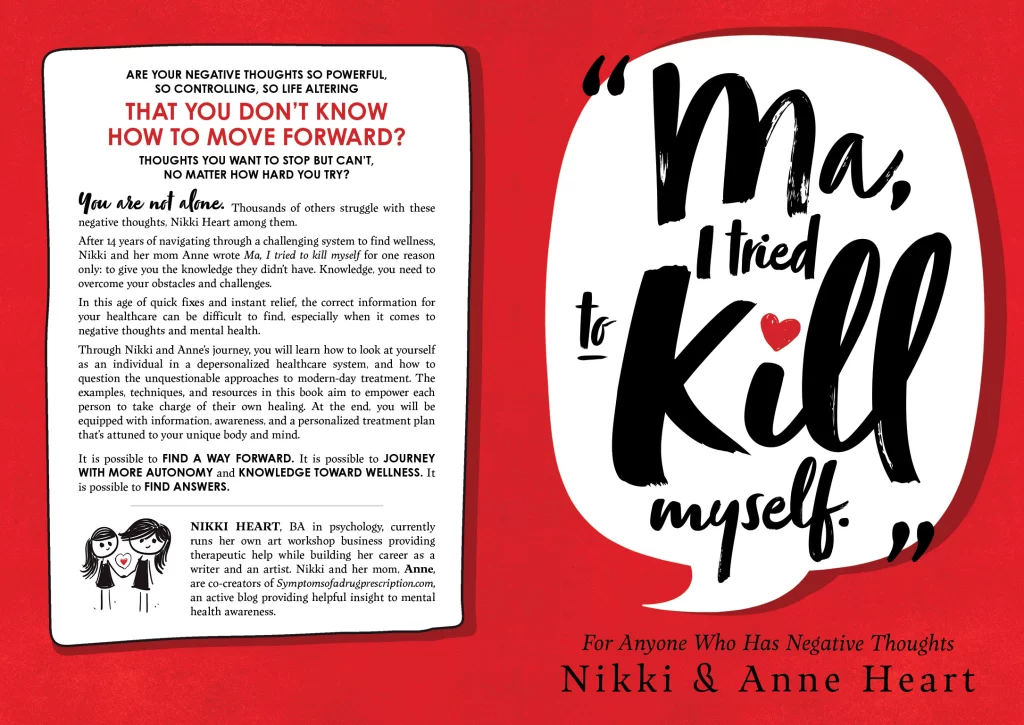
For Anyone Who Has Negative Thoughts

Our Debut Self-Help book

Now Available on Amazon

Informational Pages
awareness, body, ghost-6849140.jpg
Tips for YOU
Learn more. Live Healthier!

Hidden-triggers-5093503.jpg
Hidden Triggers
Learn more about organic food.

balance, stones, stack-110850.jpg
Finding Your Balance
Learn more. Live healthier

Weekly Posts Every Thursday


DON’T FORGET TO VISIT OUR NEW TIP PAGES EVERY TUESDAY

Drug Fact Sheets

Read more

Note: All information in “Nikki’s Story and Mom’s Story” are based on detail journals covering seven years of Nikki’s life on prescription drugs.

Medical Disclaimer: We share informational resources that are intended to help you with your self-care plan. We are not professionals. We write based on personal experience and personal research.

Nothing on this Website is intended to be taken as medical advice. The information provided on the Website is intended to encourage, not replace, direct patient-health professional relationships. Always consult with your doctor before altering your medications. Adding nutritional supplements may alter the effect of medication. Any medication changes should be done only after proper evaluation and under medical supervision.

General Disclaimer: This site contains links to other internet sites. We are not endorsing any products or services in these sites nor are we endorsing or did we approve information within these sites. Each site contains its own “Privacy Policy”,

🤞 Want to level up your health this year?

Sign up for FREE weekly awareness posts. Never be without information again.

We don’t spam! Read more in our privacy policy