Increase Your Awareness with Basic Facts about Propolis
Nikki and Anne Heart ♥ February 2025
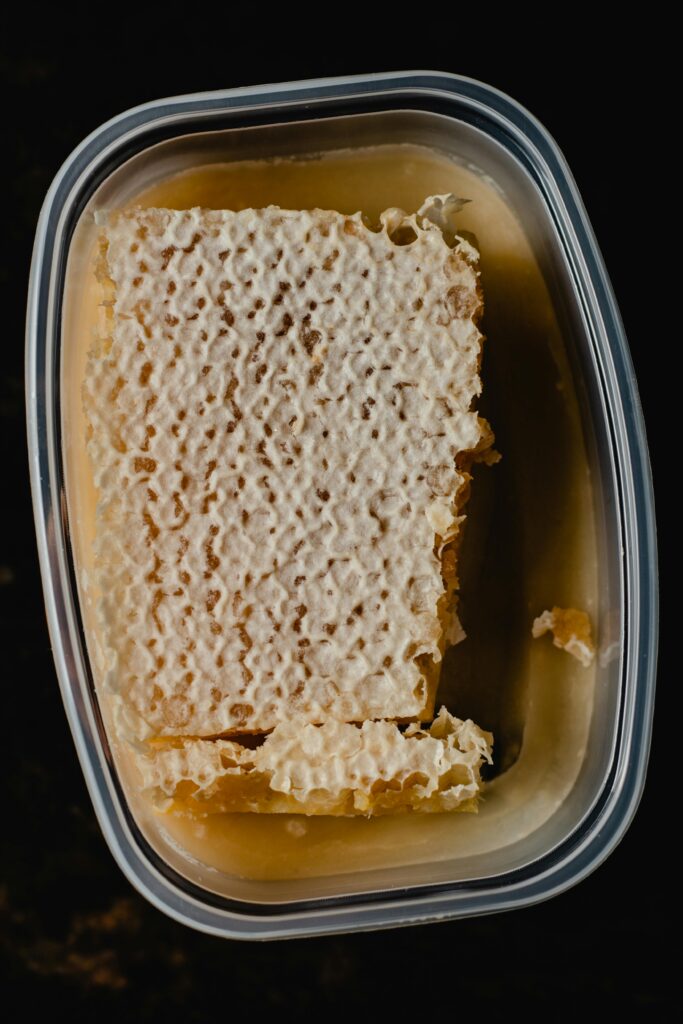
*Picture displayed is a general picture and should not be used as a identifier.
The following highlights the basic facts. More information can be obtained through the sites listed below as well as many other informational sites regarding ingredients in medications and supplements. Information facts can change. Make sure you have all up-to-date information.
Basic Facts about Propolis
Propolis is a resin-like material made by bees.
It is from the buds of poplar and cone-bearing treas.
This material is used by bees to build hives. It may contain beehive byproducts.
It is rarely available in its pure form.
Propolis is usually obtained from beehives
Common uses of propolis:
Diabetes
Cold sores
Swelling and sores inside mouth
Burns
Canker sores
Genital herpes
Covid-19
It seems to help fight against bacteria, viruses, and fungi
Propolis may have anti-inflammatory effects
NOTE: There is no good scientific evidence to support these uses.
How is propolis typically used?
By adults by mouth daily no longer than 13 months (healthcare provider should give you a dose best for your condition)
In products such as creams, lotions, ointments, gels, mouth rinses, chewing gum, cosmetics, cough syrup, lip balm, throat lozenges, throat sprays, toothpaste
Propolis may cause:
Irritation and mouth ulcers
Allergic reactions, especially in people who are allergic to other bee products
An increased risk of bleeding
Slow blood clotting
Increased risk of bleeding during and after surgery
Skin irritation
Special precautions and warnings:
Should not use when pregnant, since there isn’t enough reliable information
Check with your healthcare provider regarding use during breast-feeding
Propolis interactions with medications:
Propolis might change how quickly the liver breaks down medications
Possibly change the effects or side effects of certain medications
Propolis might slow down blood clotting, thereby interacting with medications that also slow blood clotting causing the increased risk of bruising and bleeding
Might increase risk of clotting
Propolis interactions with herbs and supplements:
Taking it with herbs and supplements that slow blood clotting may increase the risk of bleeding, such as garlic, ginger, ginkgo, nattokinase, and Panax ginseng
Other names for propolis include:
Acide de Cire d’Abeille
Baume de Propolis
Bee Glue
Bee Propolis
Beeswax Acid
Brazilian Green Propolis
Brazilian Propolis
Brown Propolis
Cire d-Abeille Synthetique
Cire de Propolis
Colle d’Abeille
Green Propolis
Hive Dross
Penicilline Russe
Propoleos
Propolis Balsam
Propolis Cera
Propolis d’Abeille
Propolis Resin
Propolis Wax
Red Propolis
Resine de Propolis
Russian Penicillin
Synthetic Beeswax
Yellow Propolis
Sources used:
Medlineplus.gov, National Library of Medicine, accessed January 18, 2025
Medical Disclaimer: We share informational resources that are intended to help you with your self-care plan. We are not professionals. We write based on personal experience and personal research.
Nothing on this Website is intended to be taken as medical advice. The information provided on the Website is intended to encourage, not replace, direct patient-health professional relationships. Always consult with your doctor before altering your medications. Adding nutritional supplements may alter the effect of medication. Any medication changes should be done only after proper evaluation and under medical supervision.
General Disclaimer: This site contains links to other internet sites. We are not endorsing any products or services in these sites nor are we endorsing or did we approve information within these sites. Each site contains its own “Privacy Policy”,