*Although we wrote this post together, we have chosen to present the following through Mom’s eyes.
What are negative thoughts
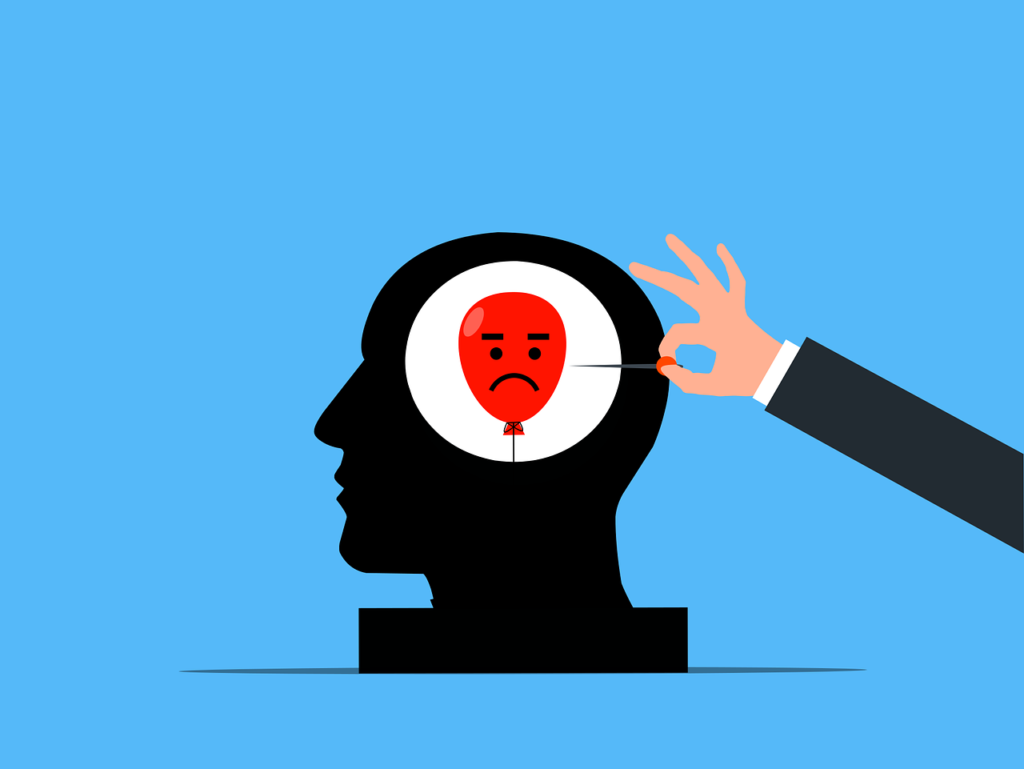
Negative thoughts are more than just fleeting worries or passing self-doubt. They can be persistent, intrusive, and deeply distressing—unwanted mental intrusions that feel impossible to control. These thoughts often carry themes of fear, shame, guilt, or self-criticism, and they can distort how we see ourselves and the world around us.
My daughter, Nikki, has wrestled with these kinds of thoughts for much of her life. And she’s far from alone. Millions of people—across all ages and backgrounds—experience negative thoughts that are so intense and relentless, they begin to shape their daily life. These aren’t just pessimistic musings; they’re thoughts that grip you, override logic, and refuse to let go, no matter how hard you try to silence them.
What makes these thoughts especially difficult is their stickiness. They don’t just pass through your mind—they linger. They echo. They convince you of things that aren’t true. And unlike typical negative thinking, which might respond to a pep talk or a shift in perspective, these thoughts often feel immune to reason. You can’t simply walk away from them. They follow you.
Who can have negative thoughts
These types of negative thoughts, or often referred to as intrusive thoughts, are commonly found with:
obsessive-compulsive disorder (OCD)
anxiety disorders
depression
post-traumatic stress disorder (PTSD)
Even though you do not have a formal diagnosis, you can still experience these types of thoughts.
Triggers such as stress, hormonal shifts, emotional situations, diet, chemical sensitivities and thyroid imbalance can play a substantial role in negative thoughts.
Recognizing negative thoughts
One of the most important truths to hold onto is this: your thoughts—especially the difficult, intrusive ones—do not define you. Having them doesn’t mean you’re broken or flawed. It means you’re human.
These thoughts can feel loud, persistent, even overwhelming at times. But with the right tools and support, you can learn to navigate them, to soften their grip, and to find your balance again.
There’s no magic fix, no instant solution. Healing and growth take time. But there is a way forward.
It starts with noticing your triggers and to understand them. When you learn to work with what sets these thoughts in motion, you can begin to reclaim your power, one step at a time.
Controlling and balance of negative thoughts
Feeding into a negative thought can become detrimental, because when you feed into one negative thought it opens the door for many more to consume you.
Negative thoughts can build on one another.
In our household we commonly use a phrase coined by my husband “Stop the train from running.” Having OCD himself, he is truly aware of negative thoughts and how controlling they can become.
“Stop the train from running” is a simple but powerful statement. In its simplicity it means the more you allow yourself to feed into a negative thought, the more negative you will start to think and the harder it will become to stop the train of negative thoughts.
Because we are humans, it can be impossible to change the way we think completely.
And we also have to acknowledge that some of the most creative people probably have a “different” way of thinking.
So, we firmly believe that an individualized balance must also play a role in controlling your negative thoughts.
Before you can control and balance your negative thoughts, you first have to recognize where they are coming from and apply appropriate techniques.
Influencers for negative thoughts
As mentioned before, negative thoughts are commonly found with formal diagnosis, but we cannot overlook the many other triggers in our everyday life.
Triggers or influencers of negative thoughts can be:
stress
hormonal shifts
emotional situations
diet
chemical sensitivities
thyroid imbalance
pharmaceutical products
smells (perfumes, bleach, fumes, cannabis, etc.)
A trigger or influencer are often overlooked, since at times they are very subtle.
Have you ever taken a medication and became irritable? Even though the irritability wasn’t a listed side effect.
Have you ever walked through a mall and became irritable or depressed? Possibly from the fragrances surrounding you.
Have you ever eaten out, and your mind became so wired you can’t slow down? Maybe from the preservatives.
Techniques for negative thoughts
Unfortunately, controlling and balancing negative thoughts can be a lifetime commitment but it doesn’t have to be life consuming.
To take control is to begin with a plan for yourself.
Remembering, knowledge and awareness are key to any treatment plan.
Nikki’s journey has taught me that healing doesn’t come from fighting the thoughts—it comes from understanding them, reframing them, and learning to live beyond their grip.
Some treatment plans that have shown to help people regain control and reduce the impact of these thoughts over time include:
1. Cognitive Behavioral Therapy (CBT)
Thought challenging: Helps you identify distorted thinking and reframe it
Behavioral experiments: Test the validity of distressing beliefs through real-life activities
Thought diaries: Track patterns and triggers to build awareness and control
2. Exposure and Response Prevention (ERP)
Over time, can retrain the brain to reduce the emotional impact of the thought.
Exposure: Gradually face the thought or fear without avoidance
Response prevention: Resist the urge to perform compulsive behaviors that usually follow the thought
3. Mindfulness and Acceptance-Based Therapies
These approaches help you observe thoughts without judgment and reduce their emotional grip.
Mindfulness meditation: Focus on the present moment and detach from thought content
Stress management: Sleep hygiene, exercise, and relaxation techniques can reduce vulnerability to intrusive thought
Acceptance and Commitment Therapy (ACT): Encourages living in alignment with values while accepting mental discomfort
4. Thought-Stopping Techniques
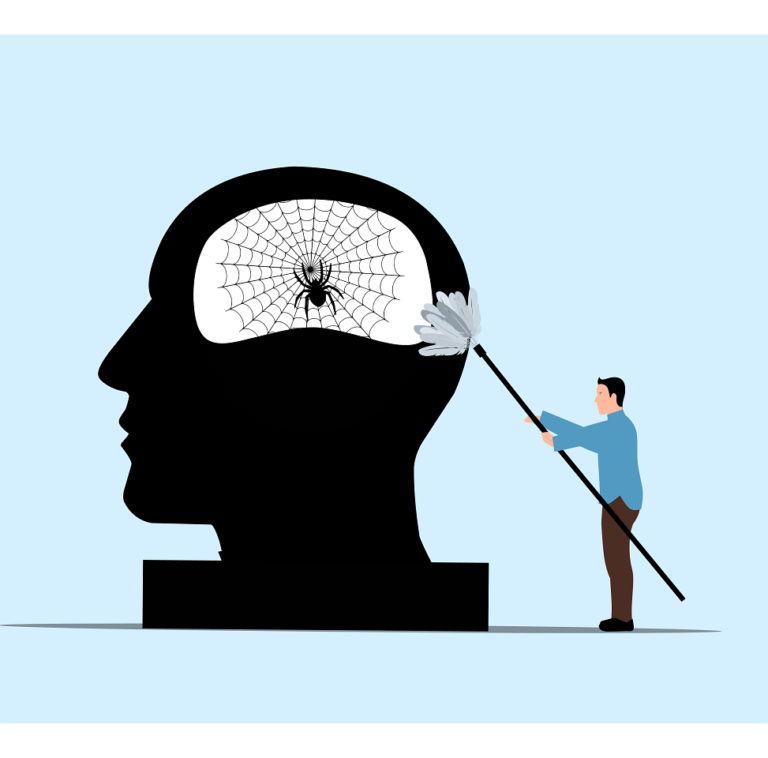
These are practical tools to interrupt and redirect negative thought spirals.
Mental “stop” command: Say “stop” internally or aloud when a thought arises.
Physical cues: Use tactile stimuli (like snapping a rubber band) to anchor yourself.
Note: All information in “Nikki’s Story and Mom’s Story” are based on detail journals covering seven years of Nikki’s life on prescription drugs.
Medical Disclaimer: We share informational resources that are intended to help you with your self-care plan. We are not professionals. We write based on personal experience and personal research.
Nothing on this Website is intended to be taken as medical advice. The information provided on the Website is intended to encourage, not replace, direct patient-health professional relationships. Always consult with your doctor before altering your medications. Adding nutritional supplements may alter the effect of medication. Any medication changes should be done only after proper evaluation and under medical supervision.
General Disclaimer: This site contains links to other internet sites. We are not endorsing any products or services in these sites nor are we endorsing or did we approve information within these sites. Each site contains its own “Privacy Policy”,