
Learn More ♥ Live Healthier
Mental Health
by Nikki and Anne Heart ♥ October 9, 2025
*Although we wrote this post together, we have chosen to present the following through Mom’s eyes.
A growing awareness regarding mental health
Every day, I find myself waking up to the reality of mental health in a deeper way. It’s not just something I experience within my own family—it’s everywhere. In conversations, in quiet struggles, in the way people carry themselves.
And honestly, what I’m seeing breaks my heart.
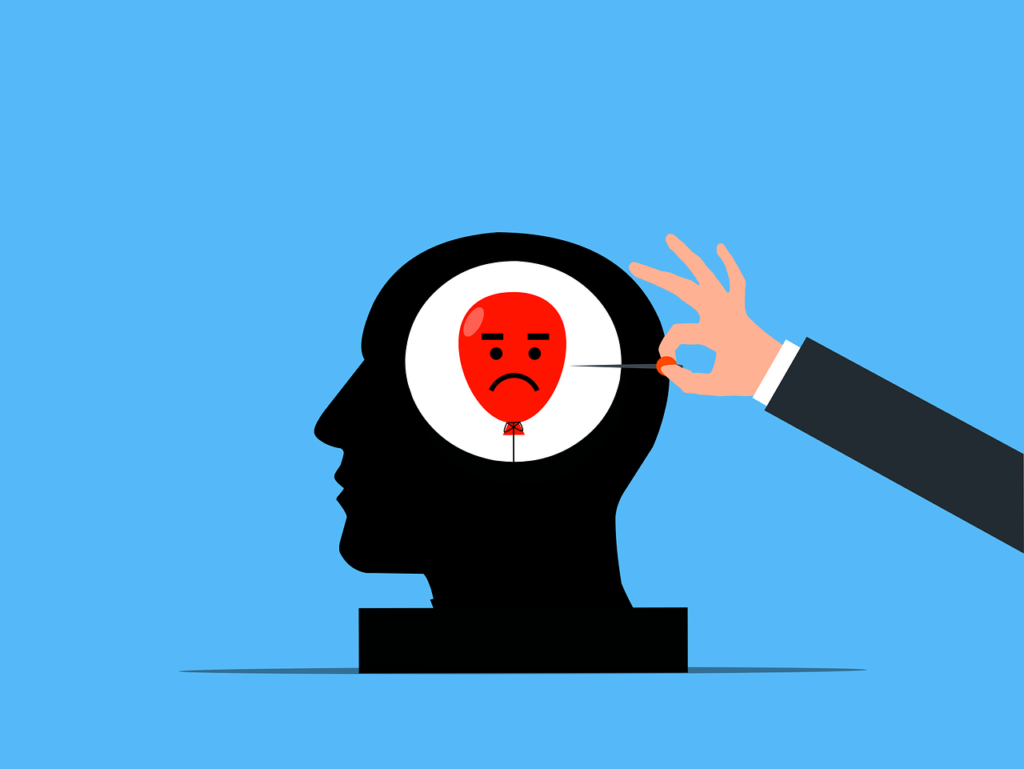
The weight of stigma on mental health
What troubles me most isn’t just the illnesses themselves—it’s the stigma that clings to them. It’s like this invisible fog that seeps into every corner of our culture. You feel it in hospitals and clinics, in workplaces, and even around dinner tables with people you love.
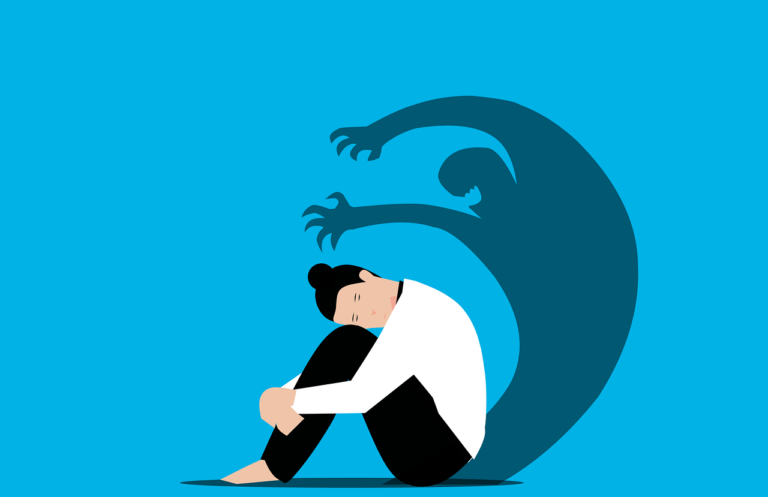
Because of that stigma, so many people suffer in silence. They carry pain that’s dismissed, misunderstood, or ignored. And that silence? It’s heavy. It’s isolating. It’s dangerous.
Frequently:
- Mental disorders are not always treated as real illnesses.
- Many still believe it isn’t something serious, it can be brushed off, and those suffering just aren’t trying hard enough. The reality is that this is far from the truth.
Consequences:
- Far too often when opening up about how you are feeling, may cause negative consequences such as loss of friendships and job opportunities.
- Even though discrimination is frowned on, it still happens in the workforce as well as the medical community.
- It can be unbelievable to think there is biased medical treatment for individuals suffering from mental illness. But I have witnessed it time and time again with the healthcare treatment my daughter received within hospitals and other medical facilities.
- Sadly to say, I still witness the lack of understanding for my daughter’s illness throughout my family.
- Regrettably, these are very common occurrences by those suffering from mental illnesses.
Outcome:
- Person experiencing mental illness becomes isolated.
- They can’t or won’t receive the necessary treatment.
- Their mental health increasingly worsens.
Mental Health is Not One-Size-Fits-All
The more I learn, the more I realize just how many different forms mental illness can take. It’s not just depression or anxiety—though those are deeply real and common. There are many different types:
- mood disorders
- eating disorders
- OCD
- panic attacks
- PTSD
- personality disorders
- phobias
- psychosis
- schizophrenia
- bipolar disorder
- self-harm
- suicidal thoughts
- compulsive gambling
- substance abuse
- delirium
- and more.
Each one is real. Each one affects people in its own way.
Some folks might experience symptoms for a short time—maybe triggered by stress, trauma, or life changes. Others live with these conditions for years, sometimes a lifetime, navigating a path that’s anything but simple.
And that’s the thing: mental illness doesn’t look the same for everyone. It doesn’t follow a neat timeline. It doesn’t always come with a diagnosis right away. But it’s there. And it matters.
Treatment for Mental Health
Each treatment plan needs to reflect the individual and the specific challenges they’re facing. What works for someone navigating depression might look very different from what’s needed for someone dealing with substance use. And even within the same diagnosis—say, mild depression versus suicidal ideation—the approach should shift to meet the depth and urgency of the experience.
That said, there are a few foundational pieces I believe every plan should include:
Intentional self-care—not just bubble baths, but practices that truly nourish the mind and body
A balanced, supportive diet—because what we eat can deeply affect how we feel
Reducing alcohol and recreational drug use—to protect clarity, stability, and emotional regulation
A therapy program tailored to the person—not just the diagnosis
Healing is personal. It’s layered. And it deserves to be approached with care, flexibility, and respect.
Final reflections on mental health
First: AWARENESS
It is important to realize that no two people are the same.
- Our reactions to stress, trauma, medications, even joy—are shaped by a complex mix of genetics, biology, environment, and socioeconomic realities.
- What works for one person might be harmful to another. And that’s not weakness—it’s individuality.
Second: ACKNOWLEDGING
Many times, there are no quick fixes for mental illnesses.
- Healing takes time.
- Sometimes, it’s a lifelong journey. But that doesn’t mean it has to consume a life. With the right support, people can live fully—even while managing ongoing challenges.
- While prescription medications may help some individuals, they can also trigger or worsen symptoms like anxiety, depression, irritability, mood swings, psychosis or even leading to conditions like tardive dyskinesia, memory loss, or induced bipolar or related disorders. All too often this is overlooked.
Third: RECOGNIZING
Mental illness may not look like cancer or heart disease, but it is just as real. Just as painful. Just as deserving of care.
- We need to stop treating people with mental illness as problems to be solved or burdens to be managed.
- People with mental health illnesses are just people—whole, worthy, and often carrying more than we can see.
- Sometimes they need extra support. Sometimes they need space. But always, they need to be treated with dignity.
Let’s choose to see the person first. Let’s listen longer. Let’s stand beside them, not above them.
Learn More
♥
Live Healthier
Weekly Posts Every Thursday
DON’T FORGET TO VISIT OUR NEW TIP PAGES EVERY TUESDAY
“One of the hardest things was learning that I was worth recovery.”
– Demi Lovato –
Note: All information in “Nikki’s Story and Mom’s Story” are based on detail journals covering seven years of Nikki’s life on prescription drugs.
Medical Disclaimer: We share informational resources that are intended to help you with your self-care plan. We are not professionals. We write based on personal experience and personal research.
Nothing on this Website is intended to be taken as medical advice. The information provided on the Website is intended to encourage, not replace, direct patient-health professional relationships. Always consult with your doctor before altering your medications. Adding nutritional supplements may alter the effect of medication. Any medication changes should be done only after proper evaluation and under medical supervision.
General Disclaimer: This site contains links to other internet sites. We are not endorsing any products or services in these sites nor are we endorsing or did we approve information within these sites. Each site contains its own “Privacy Policy”,