




*Although we wrote this post together, we have chosen to present the following through Mom’s eyes.
Mom's Story: Journey through Stigma
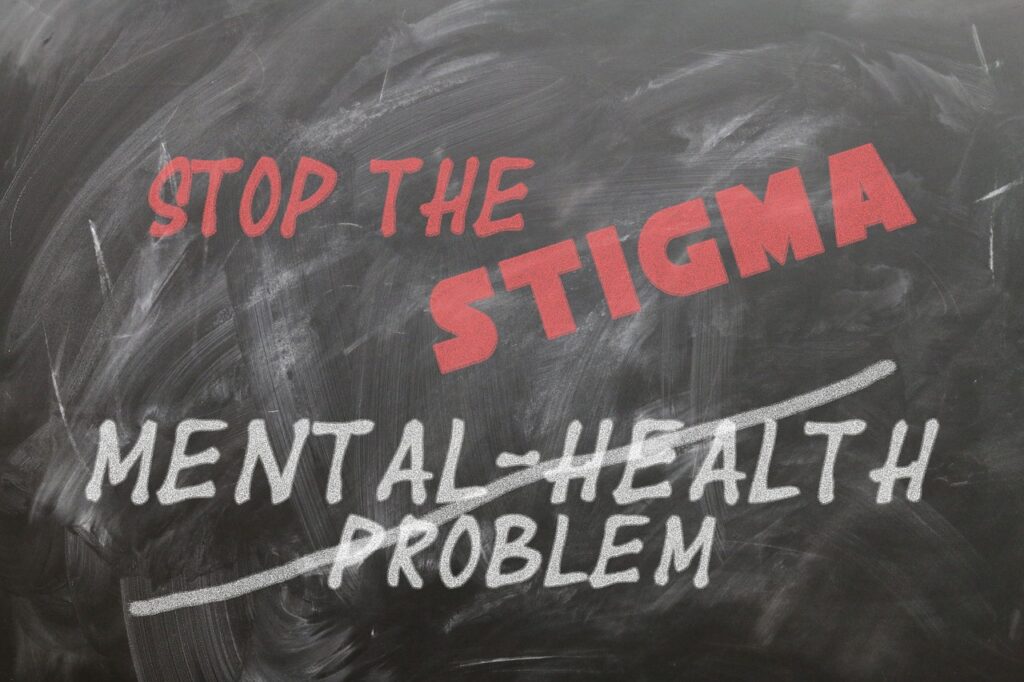
The Stigma Associated with Mental Illness
Navigating the stigma surrounding mental health presents profound challenges along the path to wellness. These barriers are not just societal—they’re deeply personal, often compounding the emotional burden individuals already carry.
Through the years, I’ve witnessed firsthand the hurdles my daughter has faced in seeking compassionate and effective mental health care.
Time and time again, stigma has stood in the way—manifesting in silence, judgment, and resistance from places that should offer support. It’s a painful reminder that for many, mental illness is still misunderstood.
The persistent spread of negative and unsubstantiated beliefs about mental health leaves far too many feeling isolated and unseen.
And most importantly, less than adequate healthcare.
While mental health awareness has become more prominent in public conversations over recent years, this visibility hasn’t necessarily translated into deeper understanding.
Within the medical community, there have been strides toward encouraging openness around mental health. However, progress remains inadequate—and often undermined by persistent misinformation.
The painful truth is that stigma still saturates us. I’ve heard comments like “We need to go after mental health” in the wake of tragedies, and “We don’t have any place to put these people” when speaking about those in crisis.
These statements, though often made casually or out of ignorance, reflect a disturbing undercurrent of judgment and exclusion.
Such remarks don’t just misrepresent mental illness—they reinforce harmful stereotypes and paint individuals as problems rather than people in need of support. The lack of empathy and nuanced understanding in these phrases shows how far we still have to go.
Awareness and Acceptance towards Mental Health Illness Can Help Eliminate the Stigma
If you are a person suffering from mental illness:
1. Recognize: You are not alone.
There are many people who live day to day with the pain of:
Depression
Negative thoughts
Anxiety
Obsessive-compulsive disorder
Suicidal thinking
2. Acknowledge: The opinion of society is on them and not you.
3. Awareness: Everyone is different.
Learning the facts about mental illness can help stop the stigma.
First, they are many different types of mental illnesses.
Second, mental illnesses are very common.
Third, recognize the following:
Prescribing a drug to a person may not be the answer
Acknowledging mental health wellness is probably a life-time commitment
Knowing there are no quick fixes
Without a continuous treatment plan, a relapse may occur
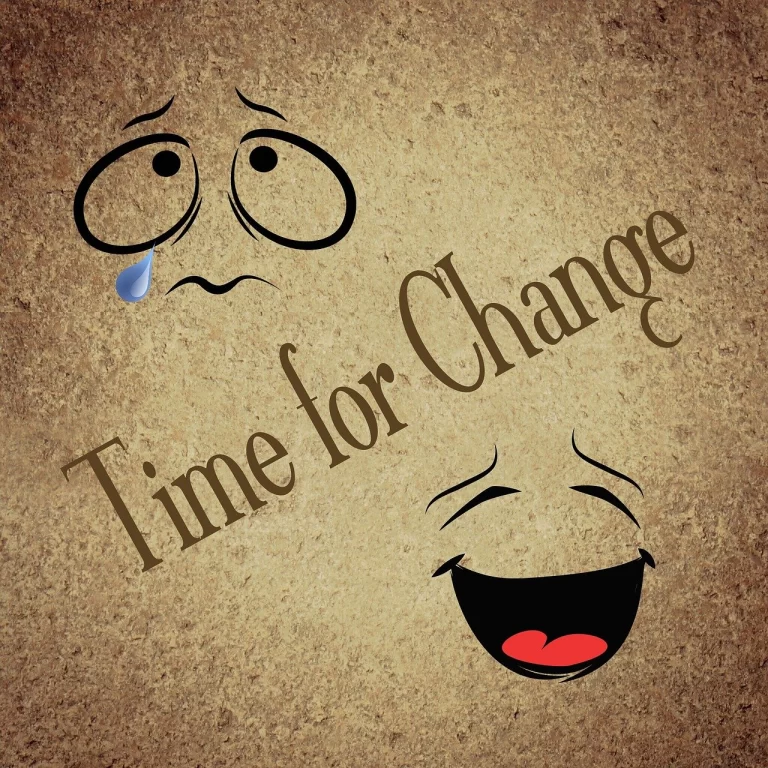
Change is needed in how we think as a society, especially in the medical community, to stop the stigma regarding mental illness.
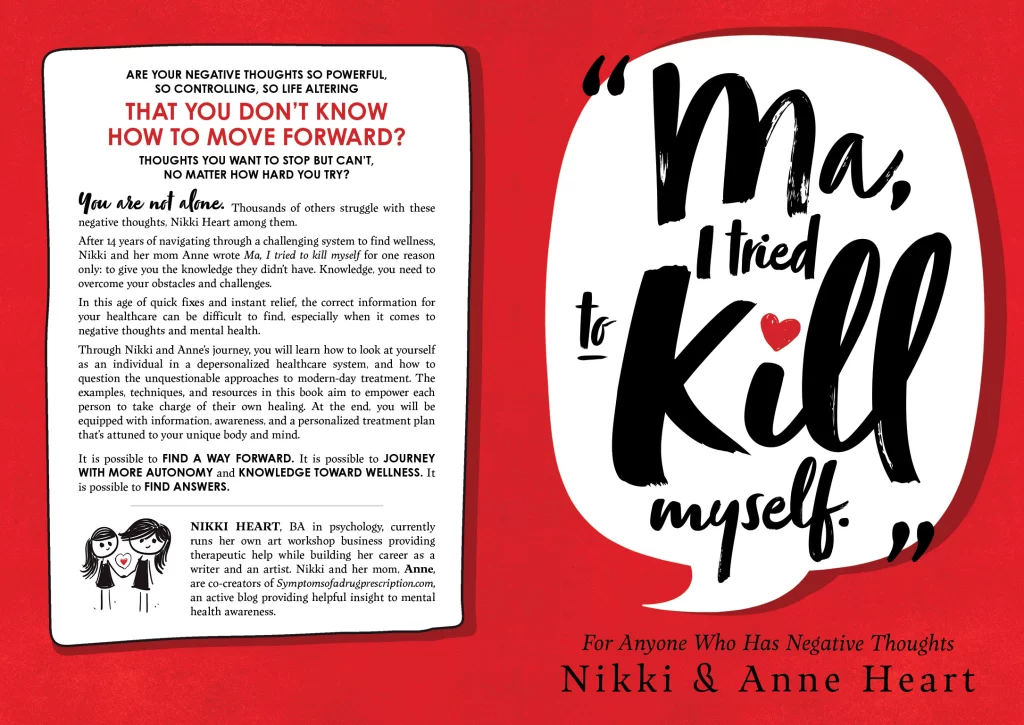
Note: All information in “Nikki’s Story and Mom’s Story” are based on detail journals covering seven years of Nikki’s life on prescription drugs.
Medical Disclaimer: We share informational resources that are intended to help you with your self-care plan. We are not professionals. We write based on personal experience and personal research.
Nothing on this Website is intended to be taken as medical advice. The information provided on the Website is intended to encourage, not replace, direct patient-health professional relationships. Always consult with your doctor before altering your medications. Adding nutritional supplements may alter the effect of medication. Any medication changes should be done only after proper evaluation and under medical supervision.
General Disclaimer: This site contains links to other internet sites. We are not endorsing any products or services in these sites nor are we endorsing or did we approve information within these sites. Each site contains its own “Privacy Policy”,