Symptoms of a Drug Prescription


Learn More Live Healthier

Chemicals in Both Household and Commercial Products

Nikki and Anne Heart ♥ January 20, 2026


lab, research, chemistry-217074.jpg

The following is basic information. Please visit the source sites as well as many factual based internet sites. Knowledge is key to wellness.

Trichloroethylene (TCE) and Perchloroethylene (PERC) are two chemicals found both in household and commercial products.

First, Trichloroethylene (TCE)

Trichloroethylene (TCE) is a synthetic, volatile solvent widely used in industry and consumer products.

It does not occur naturally and exposure can harm multiple organs, with links to cancer and other serious health effects.

  • A synthetic compound
  • It is a clear, colorless, non-flammable, volatile liquid
  • Chloroform-like
  • Pleasant mild smell
  • Sweet taste

Common Uses of TCE

TCE has historically been used in many industrial and consumer applications:

  • Spot cleaners
  • Paint removers
  • Degreasing solvents
  • Spray adhesives
  • Dry cleaning
  • Making of refrigerants and hydrofluorocarbons
  • Cleaning wipes
  • Aerosol cleaning products
  • Tool cleaners
  • Carpet cleaners

How Exposure Happens

You can be exposed to TCE through multiple environmental pathways:

  • Air
  • Water
  • Soil
  • Anywhere it is produced
  • Inhaling it in
  • Drinking it
  • Eating it

Health Effects of TCE Exposure

Exposure to TCE can cause both acute and chronic health problems:

  • Harmful effects on the nervous system, liver, respiratory system, kidneys, blood, immune system, heart, and body weight
  • Kidney cancer
  • Possible risk of non-Hodgkin lymphoma
  • Liver disease
Second, Perchloroethylene (PERC)

Perchloroethylene (PERC), also known as tetrachloroethylene, is a synthetic solvent widely used in dry cleaning and industry.

Exposure can cause both short-term neurological effects and long-term organ damage, including cancer risks.

  • Is a man-made chemical
  • Non-flammable
  • Colorless
  • Evaporates in the air
  • It can be a liquid or gas
  • At room temperature, it is a colorless liquid

Common uses of PERC

  • Dry cleaning
  • Metal degreasing in manufacturing and auto repair shops
  • Chemical production
  • Consumer products such as carpet cleaners, lubricants, paint removers and sealants

How Exposure Happens

You may be exposed to PERC through:

  • Air
  • Water
  • Soil
  • Direct contact

Health Effects of PERC Exposure

  • Dizziness
  • Headache
  • Sleepiness
  • Confusion
  • Nausea
  • Difficulty speaking and walking
  • Irritation to skin, lungs, eyes, nose and throat

Long-term exposure to PERC may lead to:

  • Damage to your nervous system, vision, liver and kidneys
  • Skin irritation
  • Mood and behavior changes
  • Cancer risks

Sources used:

  1. National Institute of Health, National Cancer Institute, Trichloroethylene – Cancer-Causing Substances – NCI, accessed December 11, 2025.
  2. National Institute of Health, RoC Profile: Trichloroethylene; 15th RoC 2021, accessed December 11, 2025
  3. Agency for Toxic Substances and Diseases Registry, Trichloroethylene (TCE) | Public Health Statement | ATSDR, accessed December 11, 2025
  4. Newsday Long Island article, 2 chemicals targets, December 11, 2024, by Lisa I. Colangelo
  5. CDC, Health effects linked with trichlorethylene, accessed December 12, 2025
  6. National Cancer Institute, Trichloroethylene, accessed December 12, 2025
  7. New York State Department of Health, Trichloroethylene Fact Sheet, accessed December 12, 2025.
  8. OSHA, PERC – Dry cleaning, accessed December 12, 2025
  9. NY State Department of Health, PERC in the Air, accessed December 12, 2025
  10. Agency for Toxic Substances and Disease Registry, Public Health PERC, accessed December 12, 2025

Learn More

Live Healthier

Drug Fact Sheets

Read more

RELATED POSTS
time, alarm, clock-5961665.jpg
Living in the Present without Drugs
bridge, river, rocks-192982.jpg
Bridging Mind and Body
flask, blue, glass-311650.jpg
Chemical Sensitivities Can Affect Your Health

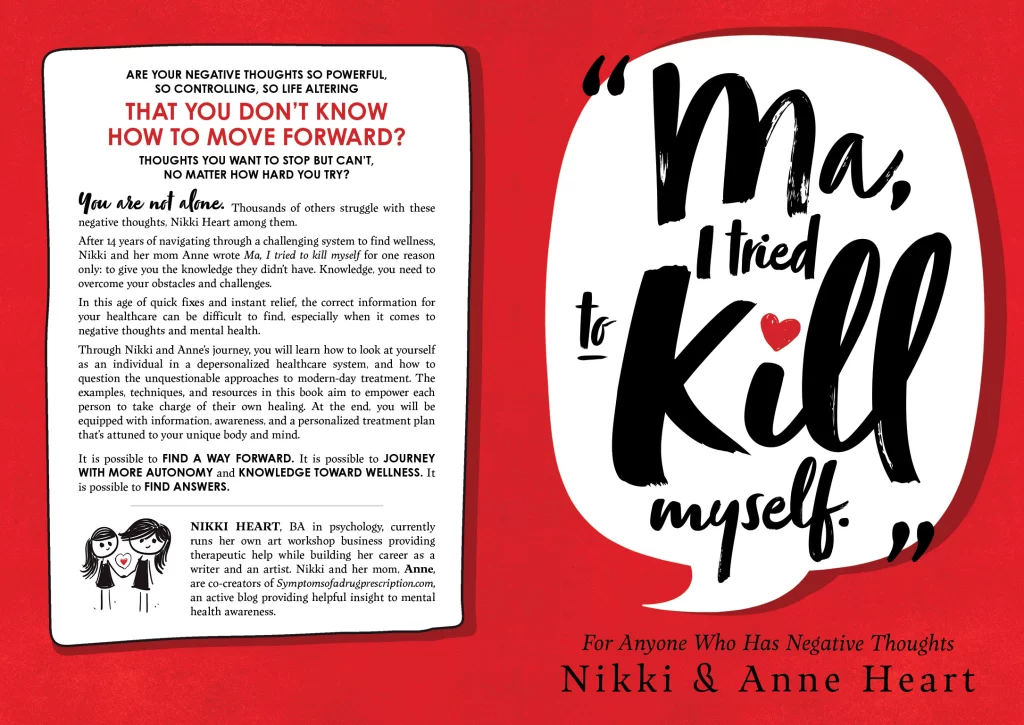
For Anyone Who Has Negative Thoughts

Our Debut Self-Help book

Now Available on Amazon

Medical Disclaimer: We share informational resources that are intended to help you with your self-care plan. We are not professionals. We write based on personal experience and personal research.

Nothing on this Website is intended to be taken as medical advice. The information provided on the Website is intended to encourage, not replace, direct patient-health professional relationships. Always consult with your doctor before altering your medications. Adding nutritional supplements may alter the effect of medication. Any medication changes should be done only after proper evaluation and under medical supervision.

General Disclaimer: This site contains links to other internet sites. We are not endorsing any products or services in these sites nor are we endorsing or did we approve information within these sites. Each site contains its own “Privacy Policy”,

🤞 Want to level up your health this year?

Sign up for FREE weekly awareness posts. Never be without information again.

We don’t spam! Read more in our privacy policy