Symptoms of a Drug Prescription


Learn More Live Healthier

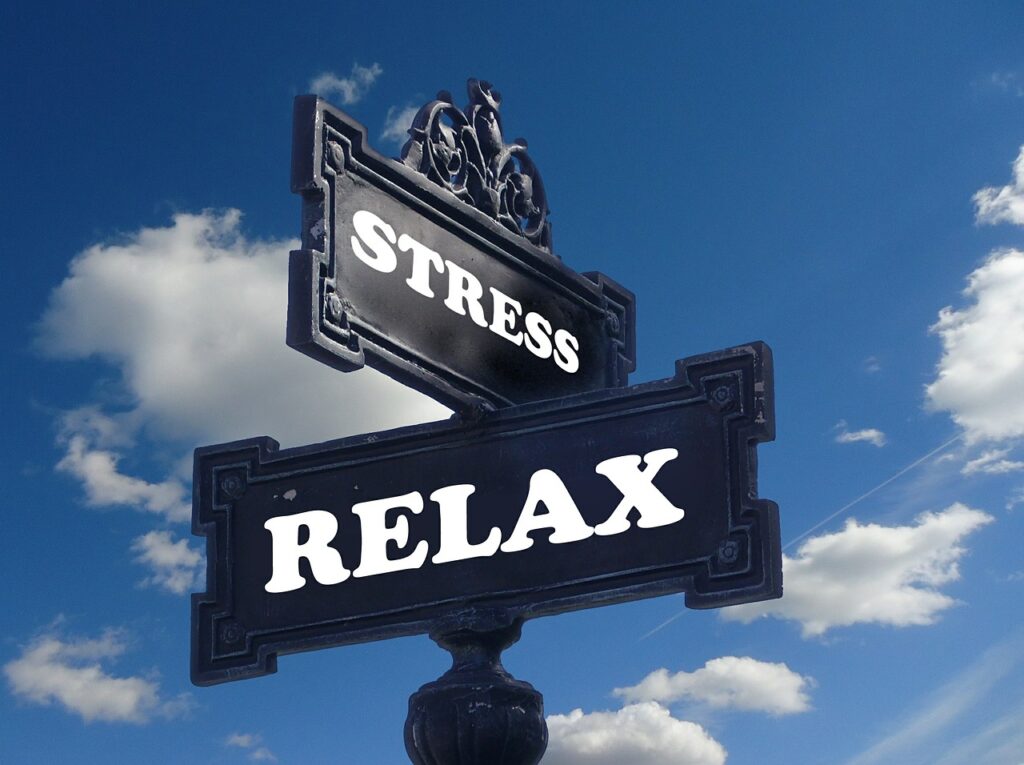
 Basic Tips for Stress Management

Nikki and Anne Heart ♥  February 3, 2026

stress relief tips

Stress can arise from a wide range of factors, many of which are easy to overlook.

  • Dietary habits and nutrient deficiencies can influence the body’s ability to regulate stress.
  • Lifestyle patterns—such as chronic overthinking, inadequate sleep, or ongoing personal challenges—also play a significant role.
  • Some individuals experience heightened stress responses due to chemical or food sensitivities.
  • External pressures, including financial strain, starting a new job, preparing for an exam, or navigating major life changes, can further contribute.
  • In some cases, stress may even stem from the side effects of certain medications.

Not all sources of stress are obvious, and understanding the many potential contributors is an important step toward managing it effectively.

 

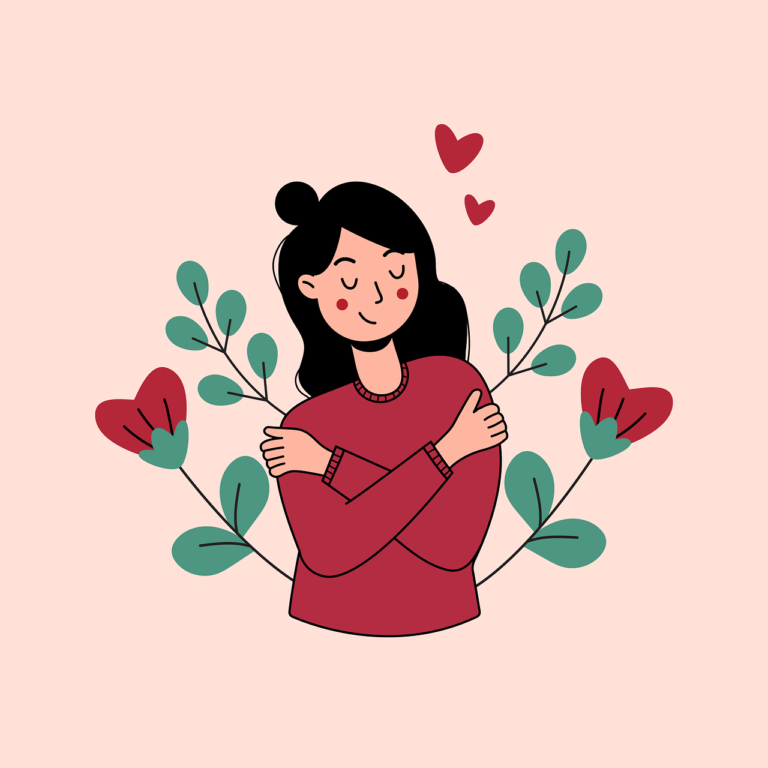
Techniques to Help with Stress

1. Coping with Stress

  • Practice deep breathing exercises
  • Relax your muscles with gentle stretching
  • Choose low-impact movement such as walking, yoga, tai-chi
  • Eat nourishing, balanced meals
  • Prioritize rest and quality sleep
  • Focus on the present
  • Step away from the situation, even briefly
  • Slow your pace and give yourself a moment to reset
  • Listen to calming or uplifting music
  • Consider a massage or other relaxation therapies
  • Spend time in nature
  • Try to relax your mind
  • Learn your triggers
  • Choose habits that support clarity, stability and emotional balance
  • Minimize alcohol and recreational drugs

2. The “R’s” of Stress Management

  • Rest
  • Relaxation
  • Replenishment
  • Release

3. Daily Techniques to Alleviate Stress

  • Prioritize what needs to be done; no one can do everything
  • Get organized by using a calendar, chart or checklist
  • Declutter: being surrounded by clutter in your home, car and workplace can cause stress

5. Self-care is Important for Your Stress

  • Engage in regular exercise
  • Get enough sleep
  • Maintain a healthy diet
  • Practice mindfulness
  • Connect with others
  • Take breaks
  • Journaling
  • Breathing exercises
  • Walk in nature
  • Limit alcohol and recreational drugs consumption

Sources Used:

  1. U.S. Department of Health and Human Services, Manage Stress, accessed January 15, 2026.
  2. Center for Disease Control and Prevention, Cope with Stress, accessed January 15, 2026.

Learn More

Live Healthier

Get More Information

Medical Disclaimer: We share informational resources that are intended to help you with your self-care plan. We are not professionals. We write based on personal experience and personal research.

Nothing on this Website is intended to be taken as medical advice. The information provided on the Website is intended to encourage, not replace, direct patient-health professional relationships. Always consult with your doctor before altering your medications. Adding nutritional supplements may alter the effect of medication. Any medication changes should be done only after proper evaluation and under medical supervision.

General Disclaimer: This site contains links to other internet sites. We are not endorsing any products or services in these sites nor are we endorsing or did we approve information within these sites. Each site contains its own “Privacy Policy”,

🤞 Want to level up your health this year?

Sign up for FREE weekly awareness posts. Never be without information again.

We don’t spam! Read more in our privacy policy