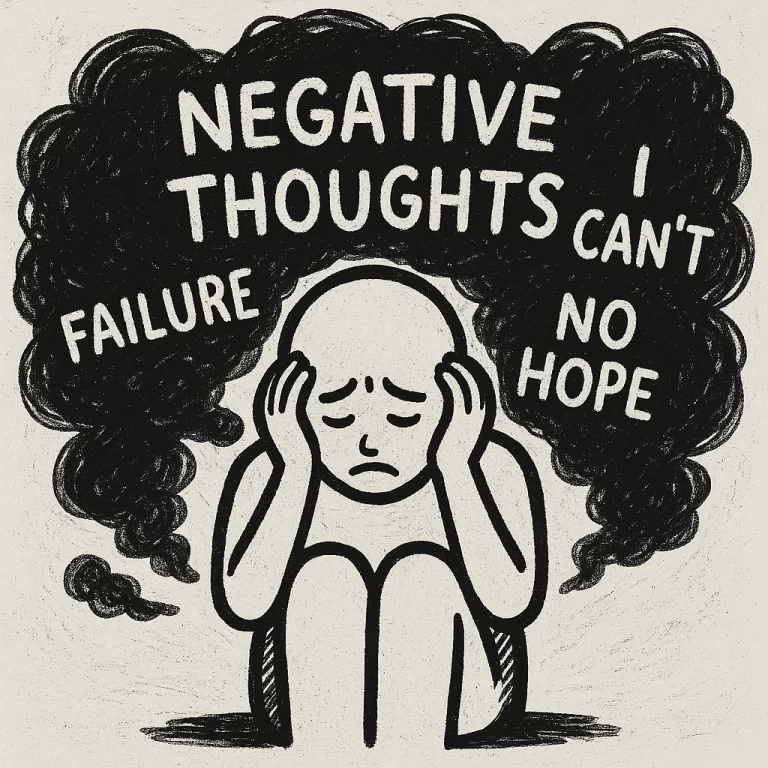
Despite having consciously locked the front door, hours later I begin to question that certainty. The belief that the house will be burglarized because I may have forgotten overtakes my rational understanding.
Even when I remember unplugging the iron, intrusive doubts surface. I envision disastrous consequences, convinced the house will catch fire from my supposed oversight.
A slight bump in the road leads my thoughts to spiral—I begin to fear I may have struck someone, despite no evidence of this happening.
If a friend doesn’t reach out as expected, I instinctively internalize the silence, worrying I’ve unknowingly caused offense or disappointment.
Touching the light switch with damp hands triggers unwanted thoughts of fear my action will somehow lead to an electrical fire, despite knowing the actual risk is non-existent.
Second step, Control:
Learn and apply techniques to help decrease the intensity, if not stop, the negative thought.
Techniques can include:
Distraction
Mindfulness
Living in the Present
Tapping
Snapping
Self-care
Exercise
Walking
Running
Deep breathing exercise
Journaling
Meditating
Listening to Music
Negative thought patterns can be amplified by everyday stressors like fatigue, hunger, poor diet, low self-esteem, excessive time on social media, or the use of alcohol and recreational drugs. Recognizing and managing these factors may lessen the frequency and intensity of negative thinking.
When you’re in the midst of a difficult moment, stepping back to view a thought rationally may not always be possible. In those instances, the goal isn’t to judge the thought—it’s to gently shift your mental focus elsewhere, so that the thought doesn’t spiral out of control.
With practice, it may become easier to sit with a thought and respond with resilience—perhaps even say, “So what if that happens?” But it’s important to acknowledge that this kind of detachment isn’t easy and doesn’t come quickly.
Third step, Balance:
It is important to create a system of balance by not overusing controlling techniques to completely change the mind.
By slowly integrating new techniques into your everyday life, can help in achieving a well-balanced and healthier mind.
Remember, you cannot change the way your mind thinks all at once. Using a distraction technique every time can become more harmful than good. And trying to face every negative thought can also have negative consequences.
Medical Disclaimer: We share informational resources that are intended to help you with your self-care plan. We are not professionals. We write based on personal experience and personal research.
Nothing on this Website is intended to be taken as medical advice. The information provided on the Website is intended to encourage, not replace, direct patient-health professional relationships. Always consult with your doctor before altering your medications. Adding nutritional supplements may alter the effect of medication. Any medication changes should be done only after proper evaluation and under medical supervision.
General Disclaimer: This site contains links to other internet sites. We are not endorsing any products or services in these sites nor are we endorsing or did we approve information within these sites. Each site contains its own “Privacy Policy”,